Autumn in Britain does not arrive on schedule. It turns up as a grey Wednesday, a coat collar gone damp, a lamp switched on at half past four. Then the rain settles in and the afternoon opens out: nowhere to be, nothing to prune, no good reason to put your shoes back on. It is, quietly, the best writing weather of the year.
What follows are thirty prompts built for exactly those afternoons. Some take two minutes; some will take half an hour and a second pot of tea. They are written for a journal rather than a manuscript, so nothing has to be finished, shown to anyone or made to sound impressive. Pick one, open the page, and start before you feel ready.
Why the Season Suits the Work
Summer is generous with distraction. Autumn narrows things down. The light drops early enough that a lamp becomes part of the writing, and the weather gives you a reasonable excuse to stay indoors without feeling guilty about it.
There is a practical advantage too. In autumn, detail becomes visible again. Wet leaves stick to a doorstep. A bus window fogs from the inside. The air smells of damp stone and, later on, of woodsmoke. When your surroundings are this specific, it is easier to be specific on the page — and specificity is what makes a journal entry worth rereading in five years.
Changing light is a gift if you use it. Try writing the same view twice in one afternoon: once at three o'clock, once at five. Keep both versions. You will notice your sentences get shorter as the light goes, which is useful to know about your own writing.
Weather and Light: Ten Prompts
These lean on what a British autumn does to a window, a street and a mood. Resist the urge to explain; describe instead.
- Mizzle. Write a page in which the weather, not a person, changes someone's mind.
- Four o'clock. Describe a room at the exact moment the light gives up. Do not name a single colour.
- Condensation. You are seven and the window is steamed up. What do you draw, and who wipes it away?
- Low sun. A scene where everyone is backlit and nobody can be recognised.
- Puddles. A character sees something in the water that they cannot see by looking directly.
- Before the storm. The hour before heavy rain arrives. Write only what can be heard.
- Fog. Rewrite your walk to the shop as though you had never done it before.
- First frost. List ten things in a garden that will not survive it. Then write about one of them.
- Grey. Make the case for grey as the best colour, in exactly one hundred words.
- Dusk. Write three sentences, each about a different shade you can actually see from where you are sitting.
Indoors: Ten Prompts
Rainy afternoons are an indoor sport. Everything you need is probably within arm's reach, which is the point — small objects hold more than big ideas do.
- A coat on the radiator. Write the story of whoever left it there, and why they are not back yet.
- Hot water bottle. Describe comfort using only temperature and weight.
- The button tin. Choose one button. Invent the garment it came from and the person who wore it.
- Soup. Write a recipe as a memory: no measurements, no instructions, no neat ending.
- Power cut. Candles out, phone dead, rain on the roof. What does your character finally say?
- Wool socks. Write about a garment with a hole in it that you refuse to throw away.
- Radio in the kitchen. A half-heard sentence changes the mood of the whole house.
- Board game. Four pieces are missing. Describe the game through the argument it causes.
- Baking. Write the smell of a kitchen without naming a single ingredient.
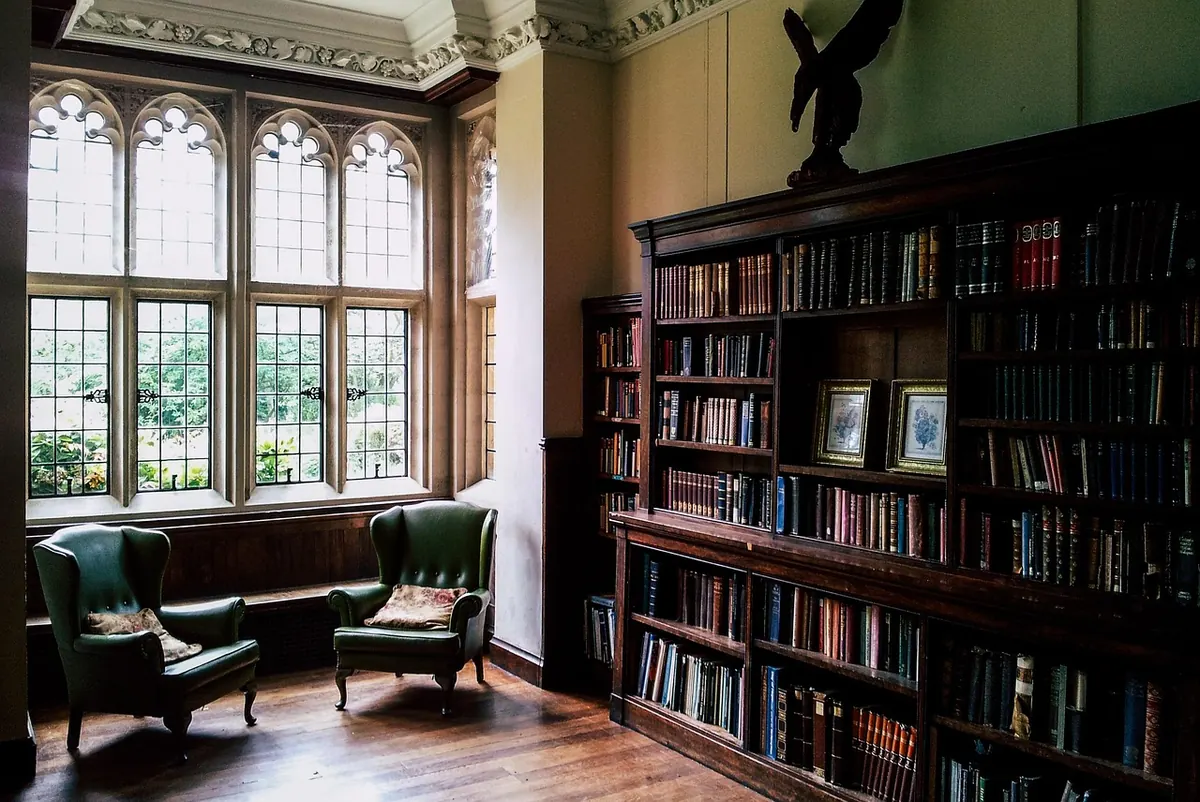
- Quiet room. A library, a launderette, a waiting room. Write the stranger you half-noticed and said nothing to.
Memory and Time: Ten Prompts
The back half of autumn — clocks going back, first frost, the slow run towards December — tends to pull people into the past. Use that pull rather than fighting it.
- The extra hour. Clocks go back. Give that hour to someone and write what they do with it.
- Bonfire smoke. The smell finds you years later. Where are you standing, and who is missing?
- Unsent letter. Write the letter. Do not decide yet whether to post it.
- Birthdays. Map your own year onto the season. What is your January? What is your October?
- Family recipe. Nobody wrote it down. Reconstruct it as best you can, mistakes included.
- Returning. You go back to a place you left years ago. Name only what has changed.
- Overheard. Take one line from a conversation on a bus and build the rest of the exchange.
- Churchyard. Write about an old stone you have walked past a hundred times without reading.
- Last leaf. A character waits for the last leaf to fall before doing something. Do they wait too long?
- Ending. Finish something that has been unfinished for a year. Write only the last paragraph, nothing before it.
How to Use These Without Stalling
Prompts tend to fail when they turn into homework. The trick is to make the writing smaller and more frequent than your ambition would like. A single page of honest, unedited sentences beats a plan for a longer piece you never start.
- Set a timer, not a target. Twelve minutes is plenty. Stopping mid-sentence is fine — you will return to it more easily than to a page you tidied into a neat conclusion.
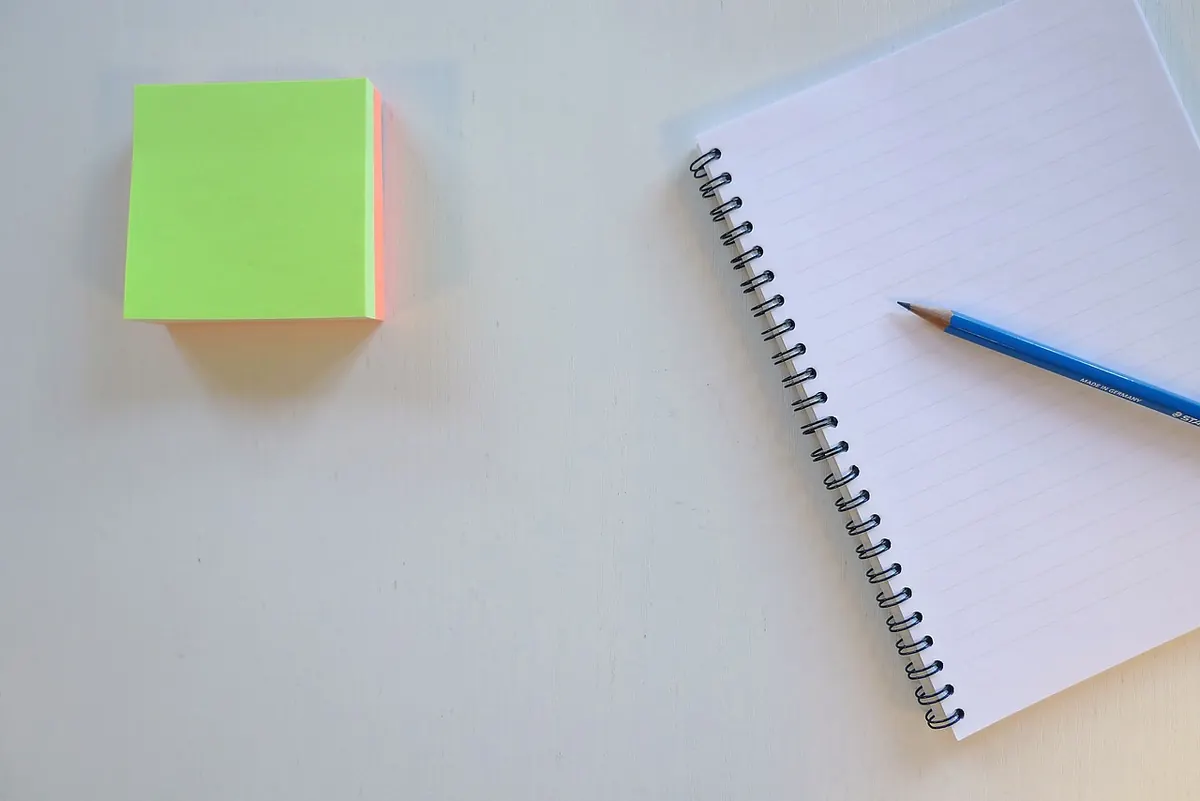
- Write by hand when you can. A pen keeps pace with thought better than a keyboard, and this kind of writing benefits from that slight slowness.
- Date every page. The date is what turns an exercise into a record. In two years you will care far more about when you wrote it than whether it was any good.
- Do not edit in the same sitting. Editing is a different mood on a different day. If you must, underline the one sentence that is true and leave the rest alone.
- Keep one prompt in reserve. Choose a favourite and save it for an afternoon when nothing else is working.
A Twelve-Minute Version
If the afternoon is busy, set the timer for twelve minutes and answer one prompt in three parts: what you can see, what you can hear, and one thing nobody else would notice. That structure gets you past the blank page quickly and often opens into something longer without being asked to.
Reread Once a Week
On a Sunday, read back over the week's pages with a pencil in hand. Mark anything that surprised you, and copy the best two or three lines into the front of the journal. Over a season, that running list becomes the most useful thing you own: proof that you wrote, and a set of subjects worth going back to properly.
Autumn is short and deliberately gloomy, which is exactly what makes it generous. The rain buys you an afternoon, the dark buys you an evening, and the lamp does the rest. Take one prompt from the list, write for twelve minutes, and let the weather do its share of the work.
Photo: neelam279 / Pixabay